Project Summary
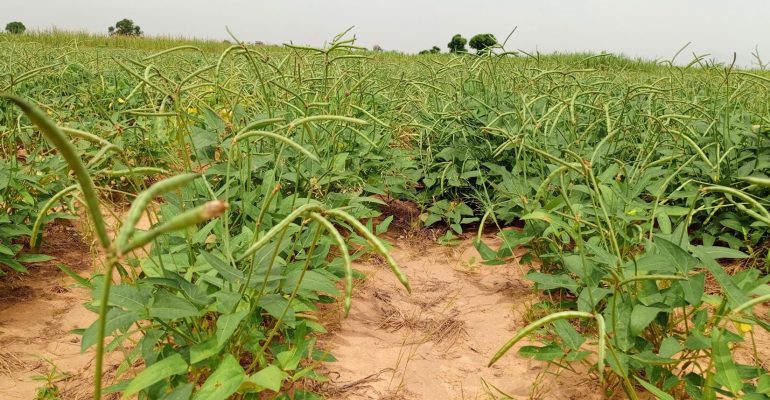
Cowpea (Vigna unguiculata) is a vital crop in West and Central Africa, yet farmers face challenges from pest pressure, climate stress, and shifting market demands. This project uses gene editing to develop high-yielding, aphid-resistant cowpea varieties with large, white-coated seeds suited to the boiled grain market. By reducing dependence on pesticides, improving seed quality, and enhancing resilience to climate stress, these innovations will lower production costs, increase farmer incomes, and expand access to nutritious food. The resulting varieties will provide a sustainable solution for smallholder farmers, aligning with global goals for food security, poverty reduction, and climate-smart agriculture.
Aim
Strengthen food and income security for smallholder farmers by developing resilient, high-yielding, and market-preferred cowpea varieties.
Objectives
- To develop efficient transformation and gene editing systems for cowpea.
- To generate edited cowpea varieties with enhanced aphid resistance. seed size, and seed coat color.
- To develop improved cowpea varieties with increased seed size, and market-preferred seed coat color.
Outcomes
- Accelerate development of improved cowpea varieties through gene editing.
- New cowpea varieties combining aphid resistance, high yield, and consumer-preferred traits.
- Reduced pesticide use, lowering production costs and environmental risks.
- Increased farmer incomes and stronger rural economies
Partners
- Bayer
Target Country
- Nigeria
Research Location
- Kenya: Nairobi
- Nigeria: Kano