
Gene-Edited Superfoods: Addressing Global Nutrition

Farmers, scientists, and consumers advocate for gene-edited crops as a solution to global challenges, emphasizing the need for informed public dialogue and regulatory reform.

On May 13, 2024, the University of Milan announced a breakthrough in gene editing. The first-ever field trial for a gene-edited crop in Italy—risotto rice tweaked to resist the destructive rice blast fungus.

Today is a revolutionary day for biotechnologists,” said lead researcher Vittoria Brambilla at the time.

A month later, however, the crop was destroyed in a single night. Not by fungus, but by unknown vandals.
Read more

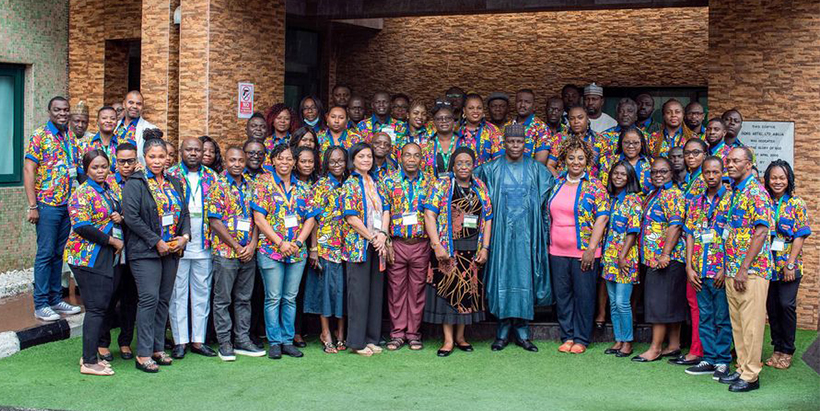
Over 50 scientists and science communicators trained to communicate on genome editing

The Alliance for Science (AFS), in conjunction with the Open Forum for Agricultural Biotechnology (OFAB) Nigeria, Boyce Thomson Institute, and IITACGIAR, organized a 3-day training for scientists and science communicators on Communicating Gene Editing in Abuja, Nigeria. The training took place on 19−21 September and aimed to provide participants with the appropriate communication skills to communicate on gene editing for food sustainability, nutrition, and security in Africa.

Executive Director of the Alliance for Science, Dr Sheila Ochugboju, opened the event with a keynote speech. She recognized the need for such training events, as a former scientist herself, who completed her postdoctoral research in Oxford University, working on genetic engineering for biological pesticides. She was visibly moved to return to her home country Nigeria, to welcome scientists and communicators creating an enabling environment for world-class science and innovation.

Also, IITA Head of Abuja station, and BASICS II project leader, Prof. Sanni Lateef in his remarks at the opening event encouraged the next generation of scientist-participants to exceed the achievements of the older scientists in terms of scientific research and innovations. “Science is evolving, and we need a new generation of science inventors to keep up with it,” he said.

OFAB Country Coordinator Dr Rose Gidado and IITA Plantain Transformation Scientist Valentine Ntui explained the science of gene editing. They pointed out that genome editing is a revolution for science and medicine that takes advantage of the cell’s DNA repair mechanisms, resulting in many different molecular outcomes.

Read more

Genome editing: New breeding tool with potential to sustain agriculture in Africa

Climate change affects the environment extensively in socioeconomic and related sectors, including agriculture and food and nutritional security for the growing global population. To address this urgent need, Africa needs to adopt sustainable intensification of agriculture to close the yield gap in staple crops, where tools, including biotechnology and traditional approaches, are recommended for crop improvement.

The recent study titled “Genome Editing for Sustainable Agriculture in Africa” published in the journal Frontiers in Genome Editing revealed the need and efficiency of exploring genome editing as an addition to conventional technologies for developing improved crop varieties.

The study noted that CRISPR-based genome editing has rapidly become the most prevalent genetic engineering approach for developing improved crop varieties because of its simplicity, efficiency, specificity, and ease of use. Genome editing technologies allow targeted manipulation of the plant genomes, accelerating breeding efforts to develop improved crop varieties. It can also reduce inputs such as fertilizers and pesticides, increase yields, improve nutrition, and develop climate-resilient crops

Read more

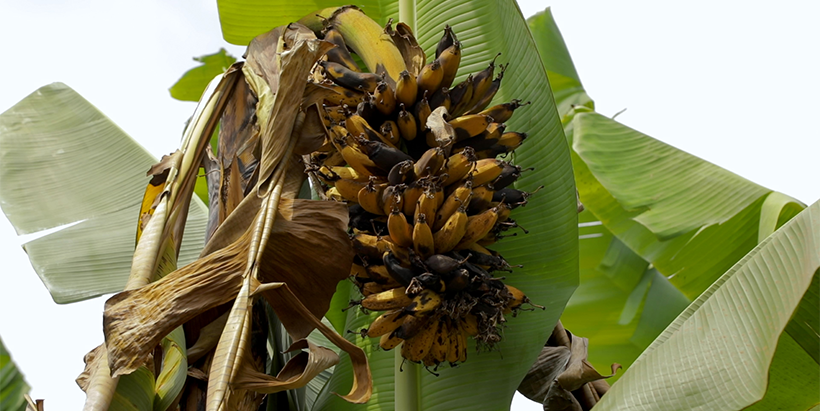
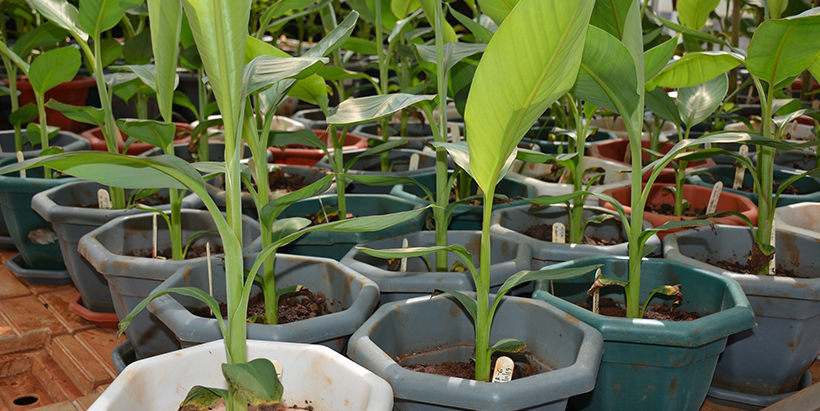
New study: Use of genome editing confers resistance to Banana Xanthomonas wilt (BXW) disease

Disease-resistant varieties developed through genome editing are an effective strategy for managing diseases in food crops, a new IITA study shows.

The study shows that recent advances in CRISPR/Cas-based genome editing can accelerate banana improvement. The study, published in May in the Plant Biotechnology Journal, was conducted at IITA-Nairobi between 2019 and 2020.

‘‘It is urgent to close the yield gap in staple crops and enhance food production to feed the world. The application of genome editing can improve agricultural productivity, thus boosting food security,’’ says Leena Tripathi, the lead author.

The researchers used CRISPR/Cas9 based genome editing to knock down the DMR6 Orthologue in banana for developing resistance to Banana Xanthomonas Wilt (BXW) disease.

Read more

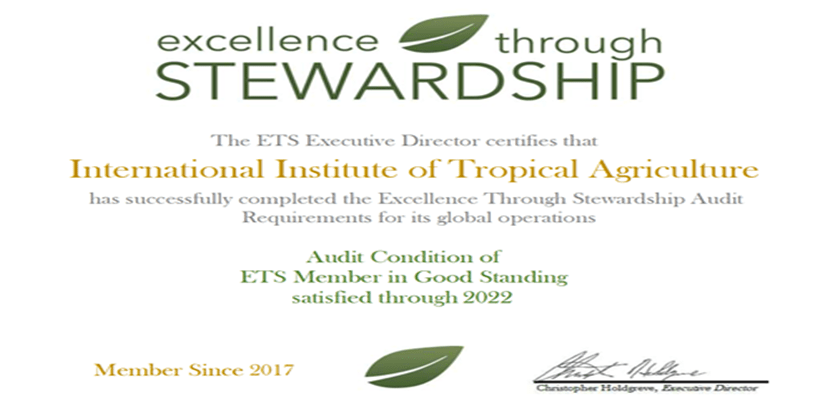
IITA gets biotechnology stewardship certification

After completing a three-year audit cycle, IITA has become a certified member of Excellence Through Stewardship (ETS). ETS is a global organization that promotes the adoption of product stewardship programs and quality management systems for the full life cycle of agricultural biotechnology products.

IITA joined the ETS organization as a member in late 2016, marking its commitment to establishing the best quality management system and product stewardship practices.

Since joining ETS in 2016, IITA has been developing and establishing recommended biotech stewardship practices to meet ETS certification requirements under the leadership of Leena Tripathi, a Principal Scientist leading transgenic and genome-editing research. 

The IITA Plant Transformation Group has established a quality management system (QMS) and adopted several best practices, where teams go above and beyond to meet and exceed stewardship requirements. The best practices include a documentation system, availability of critical records, accessibility of documents and standard operating procedures (SOPs), regulatory compliance, and competent staff.

Read more