IITA biotech program goes digital, launches genome engineering website

The IITACGIAR biotechnology program has officially launched a new Genome Engineering website. A dynamic digital platform showcasing cutting-edge science that is shaping the future of crops in Africa.
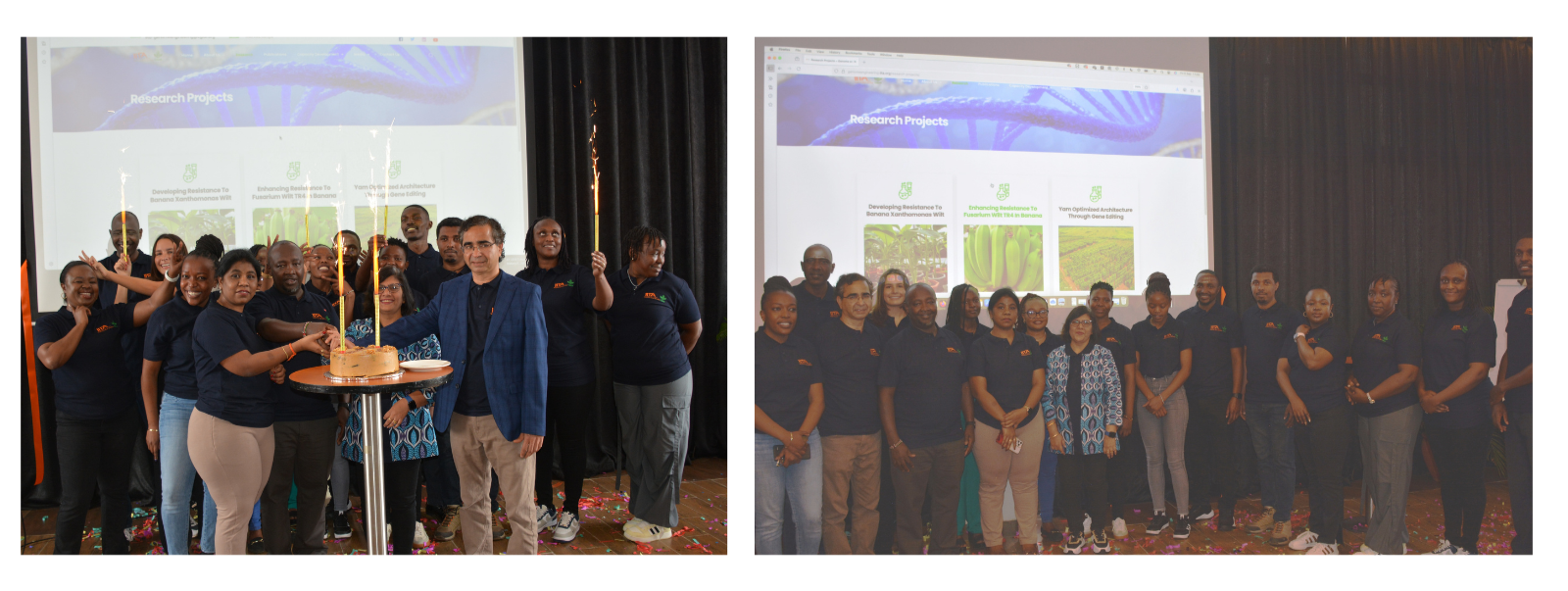
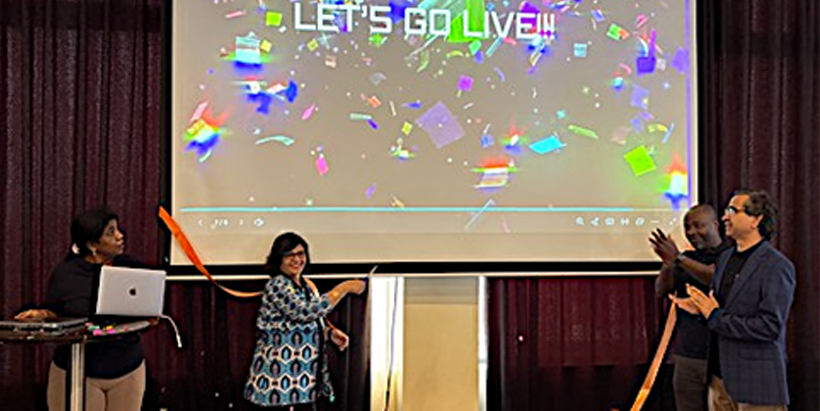
Cake-cutting moment to mark the genome editing website going live.

The website serves as a hub for knowledge, bringing together information on IITA’s pioneering work in genome engineering and precision breeding in bananas, yams, legumes, and other staple crops. It highlights how researchers are rewriting the DNA code to tackle persistent challenges such as pests, diseases, drought, and low yields to ensure food security and improve livelihoods for millions of smallholder farmers.

Beyond showcasing research, the platform also serves as a learning and capacity-building hub for students, researchers, and partners eager to understand genome editing better. Visitors can explore detailed case studies, videos, learn about the science behind the technology, and follow IITA’s ongoing training initiatives, including specialized courses designed to empower the next generation of African genome engineers.
Read more

IITA joins ICARDA-led global consortium to spearhead biotechnological innovations in the battle against the red palm weevil

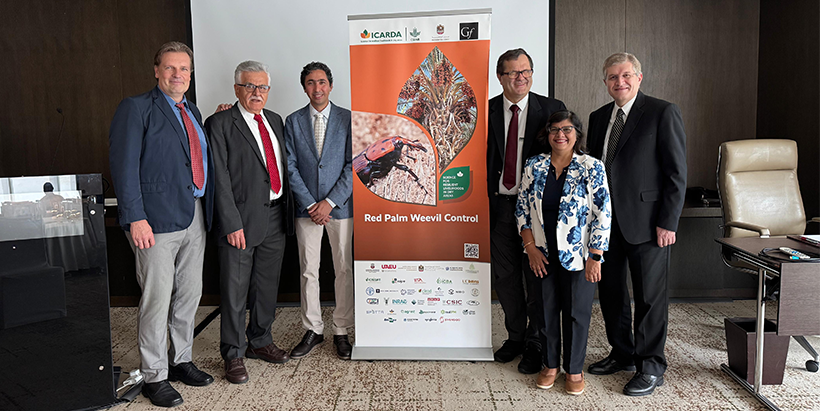
At the 17th Khalifa International Award for Date Palm and Agricultural Innovation, the United Arab Emirates (UAE), Gates Foundation, and the International Center for Agricultural Research in the Dry Areas (ICARDA) launched the International Consortium for Red Palm Weevil Control (C4RPWC).

IITA will lead a critical workstream under the bold, new global initiative to combat the devastating Red Palm Weevil (RPW). This invasive pest, RPW, threatens date palms and livelihoods across the Middle East, North Africa, and beyond.

Read more

Belgian high-level delegation explores IITA research platforms in Kenya

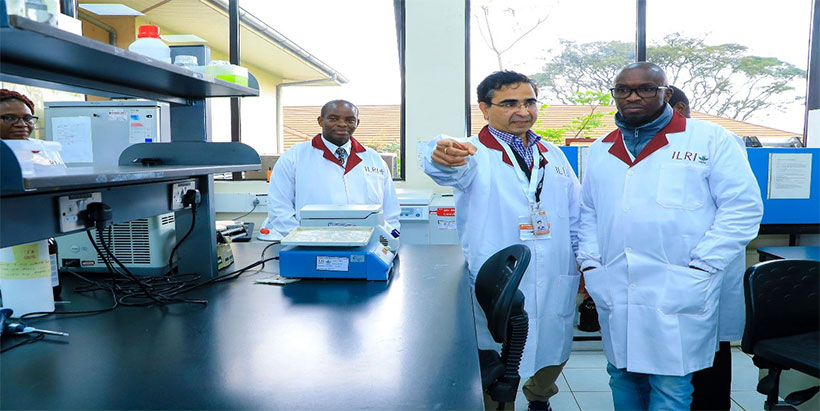
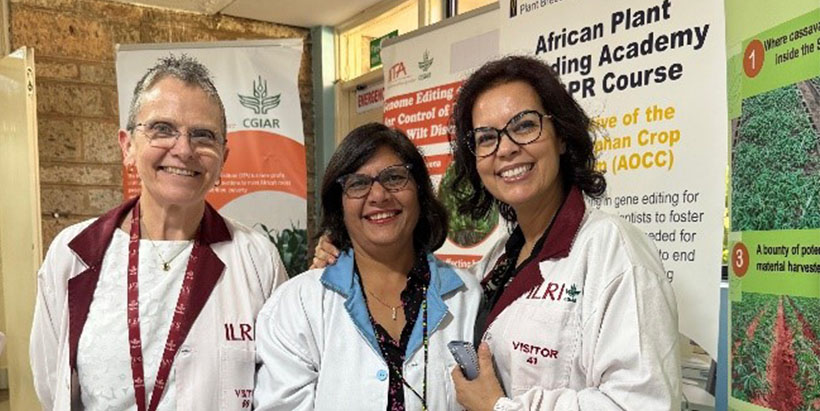
A high-level Belgian delegation, led by CGIAR Executive Managing Director (EMD) Dr Ismahane Elouafi, visited IITA’s Hub in Nairobi recently, offering a front-row seat to the institute’s research and innovations. The visit showcased IITA’s work in agricultural research, from biotechnology to soil health and youth engagement in agriculture.

On the first day, the delegation received by the Eastern Africa Hub Director, Dr Leena Tripathi toured IITA’s gene editing platform at the ILRI Campus.

Read more

Mozambique gearing up for Genome Editing Research

Mozambique is on the verge of initiating significant research in crop and animal using genome editing, as the country’s biosafety authority plans to develop a framework that will guide such research activities. This was highlighted during a biotechnology workshop held from June 5-7, 2024, in Maputo, organized by the International Institute of Tropical Agriculture (IITA) in collaboration with the University of California-Davis and AUDA-NEPAD. The event brought together scientists, farmer representatives, biosafety regulators, and policymakers to discuss the prospects of genome editing in Africa.

The Mozambique workshop was the third in a series of biotechnology workshops aimed at fostering dialogue and facilitate discussions on the prospects of genome editing in Africa. Speaking during the biotechnology stakeholder workshop held in Maputo, Director and Coordinator of the Inter-Institutional Biosafety Working Group (GIIBS) Dr. Roda Nuvunga revealed the nation’s commitment to develop genome editing guidelines as complementary biosafety legislation.

“Currently, eight biosafety legislative documents are awaiting approval and genome editing guidelines will be the ninth document. This forms part of our efforts to strengthen our biosafety legislation,” she said. Dr. Nuvunga further emphasized the importance of these training initiatives, noting that the workshop provided an essential platform for knowledge sharing and capacity building, crucial for the development of these guidelines.

Dr. Leena Tripathi, Director for the Eastern Africa Hub at IITA and  Biotechnology Program Leader, highlighting the critical need for robust regulatory frameworks to support biotechnology advancements in Africa. Her insights into the potential of genome editing to enhance food security and agricultural sustainability were key components of the workshop.

Dr. Allen van Deynze, Director at the Seed Biotechnology Center and Scientific Director at the African Orphan Crops Consortium in the University of California-Davis also emphasised the importance of developing resilient crop varieties through genome editing, providing participants with a clear understanding of the scientific and practical applications of this technology.

In addition to technical presentations, the workshop also focused on strategic communication and advocacy. GIIBS is currently drafting a Communication and Advocacy Strategy in its bid to raise knowledge and awareness about biosafety. ISAAA AfriCenter’s Walter Langat applauded the Biosafety Working Group for its efforts to develop a biosafety communication strategy. He called for collaborative approaches in addressing biosafety concerns and stemming out the burden of misinformation about modern biotechnology.

Mozambique ratified the Cartagena Protocol on Biosafety in 2001 (Resolution no. 11/2001) and created GIIBS whose mandate is to co-ordinate biosafety activities in the country. Unlike the situation in Kenya and Zambia, the Ministry of Science and Technology serves as the National Biosafety Authority. Refreshingly, Mozambique is very receptive to genome editing technology and the feedback from most participants was on the desire to have the government invest more in research. The country is currently conducting multi-locational trials for drought tolerant and insect-resistant maize under the Water Efficient Maize for Africa (WEMA) program.

As Mozambique gears up for genome editing research, the extensive training initiatives and capacity-building efforts underscore the country’s potential to become a leading player in the field. By leveraging modern biotechnology, Mozambique is well-positioned to address agricultural challenges and improve livelihoods, setting a precedent for other nations in the region.

Contributed by Walter Langat & Rose Harriet Okech

Advancing biotechnology in Africa: Reflections from Kenya and Zambia

In a concerted effort to advance agricultural biotechnology in Africa, IITA, the University of California-Davis, and the African Union Development Agency-NEPAD (AUDA-NEPAD) recently organized two pivotal workshops on biotechnology in Kenya from 8 to 10 May and Zambia from 13 to 15 May.

IITA Director for Eastern Africa Hub and Biotechnology Leader Leena Tripathi stated, “Biotechnology holds the key to sustainable agriculture in Africa, offering innovative solutions to enhance crop yields, improve resilience to climate change, and reduce the environmental impact of farming practices.”

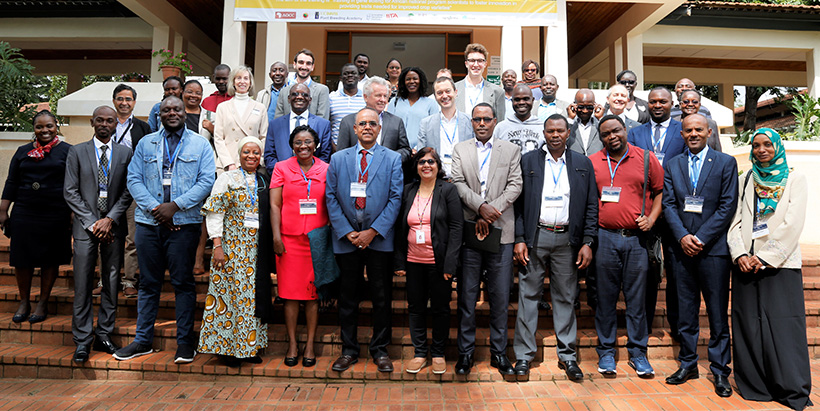
Workshop participants in Nairobi, Kenya.

In his remarks, the Director of the Seed Biotechnology Center and Scientific Director at the African Orphan Crops Consortium at the University of California-Davis, Dr Allen Van Deynze, explained: “These workshops were designed to equip key stakeholders, including officials from national biosafety authorities, agricultural researchers, and university academics, with the latest knowledge and advancements in agricultural biotechnology, particularly genome editing.”

The workshop in Kenya, hosted at the International Livestock Research Institute (ILRI) in Nairobi, brought together a diverse group of participants to explore global trends and developments in agribiotech. Key sessions focused on imparting insights into how genome editing technologies can enhance crop resilience, nutritional value, and environmental sustainability. The discussions also navigated the complex regulatory frameworks that govern biotechnological innovations, highlighting the economic and social implications of biotechnological advancements and strategies for promoting sustainable agriculture and food security.

Participants of the workshop in Lusaka, Zambia.

Tripathi highlighted the dependency of African institutions on external funding and the insufficient investment in research and development by African governments as bottlenecks to genome editing’s success. She reiterated the need for these governments to keep their commitment to allocating at least 1% of their GDP to research efforts to make genome editing a success.

Building on the momentum from Kenya, the Zambia workshop convened officials from the National Biosafety Authority, Zambia Agriculture Research Institute (ZARI), and Zambian universities. This sequel workshop aligned technical expertise and regulatory requirements with Zambia’s national agricultural priorities. Discussions were centered on developing robust regulations that support innovation while ensuring safety and environmental protection and investing in education and training programs to equip stakeholders with the necessary skills and knowledge. A legume breeder and senior lecturer at the University of Zambia, Dr Kelvin Kamfwa, highlighted the importance of targeted post-graduate training courses for scientists and technicians in genome editing as an essential priority for building a robust genome editing research system in Zambia.

A significant theme that emerged during the Zambian workshop was the detrimental effect of misinformation and negative public perceptions on the adoption of modern biotechnology. Despite the clear benefits of genome editing for increasing agricultural productivity and resilience to climate change, misinformation continues to create public resistance and regulatory hesitance. Consequently, there is a pressing need for transparent communication and education initiatives that demystify biotechnology and highlight its potential to address food security challenges.

Workshop delegates during the laboratory facility tour at the BecA-ILRI hub in Nairobi.

A crucial aspect of these workshops was exposing participants to the necessary infrastructure for biotechnology through laboratory facility tours—conducted physically in Kenya and virtually in Zambia— and discussions on capacity mobilization. These tours provided an in-depth look at the state-of-the-art equipment and facilities required for advanced biotechnological research, while the discussions focused on strategies for building and maintaining this infrastructure across African institutions.

Reflecting on the insights gained from the workshops in Kenya and Zambia, it is clear that the journey toward widespread adoption of modern biotechnology is complex but essential. As climate change continues to challenge agricultural productivity across Africa, the potential of modern biotechnology to transform our agricultural landscape has never been more critical. By fostering collaboration, enhancing regulatory frameworks, and investing in education, Africa can harness the power of biotechnology to build a sustainable and food-secure future.

Contributed by Rose-Harriet Okech

Inaugural class of CRISPR technology graduates poised to shape the future of agriculture

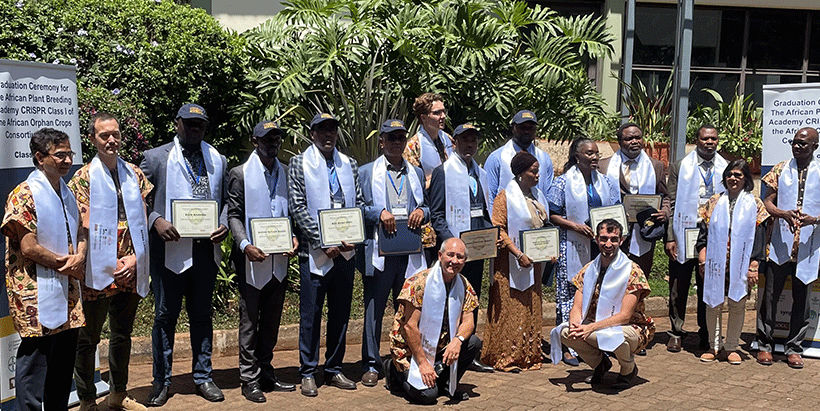
As the world’s foremost experts unite in their efforts to combat food insecurity and malnutrition, both exacerbated by climate change and responsible for stunting over 30% of children under the age of five, a group of new scientists emerged in October, equipped to enhance crop production through the art of gene editing.

The ten doctoral-level scientists from six different African nations, including Ethiopia, Ghana, Kenya, Malawi, Morocco, and Nigeria, have undergone an intensive six-week training program hosted by the African Plant Breeding Academy (APBA) to refine their skills in advanced crop breeding. The training focused on Clustered Regularly Interspaced Short Palindromic Repeats (CRISPR), which enables precise, targeted alterations to DNA sequences in living organisms, particularly crops.

Read more

Young STEM scientists from IITA featured in the DW News documentary

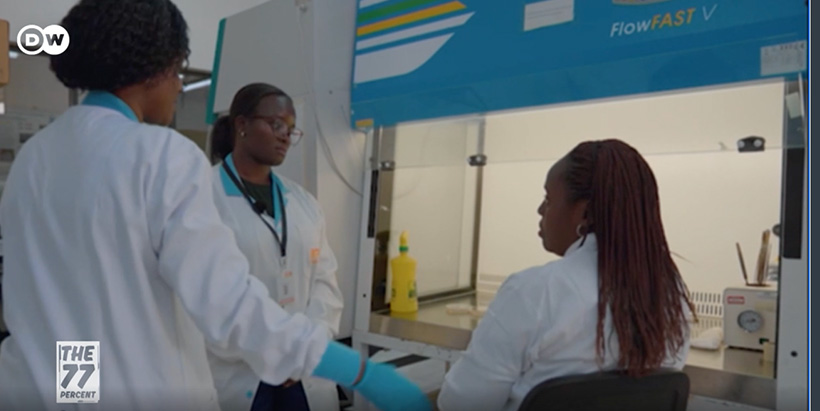
DW News program, “The 77 Percent,” recently featured young scientists from the IITACGIAR Kenya in a video aired on 12 September 2023 on the DW News website.

“The 77 Percent” is dubbed The Magazine for African Youth, amplifying the voices of young people under 35 by featuring hard-hitting reports, personal stories, and lively debates direct from the continent. The stories covered circumvent the big issues that matter most to the African youth.

Read more

Do not regulate genome-edited crops – IITA woman scientist

11 February was the International Day for Women and Girls in Science. IITA joined the rest of the world to celebrate the contribution of our women scientists in ensuring a food and nutrition-secure world. Women account for half of the world’s population and we cannot make representative and long-lasting changes in agriculture without them.

As United Nations Secretary-General, António Guterres explains, “To rise to the challenges of the 21st century, we need to harness our full potential. That requires dismantling gender stereotypes. On this International Day of Women and Girls in Science, let’s pledge to end the gender imbalance in science.”

IITA recognizes the importance of both science and gender equality and makes a particular effort to empower female scientists to participate in the achievement of internationally agreed development goals. Leena Tripathi is one such woman scientist. As a principal scientist and leader of IITA’s transgenic and genome editing research, based in Nairobi, Kenya, Tripathi has proved that women can provide leadership in the use of cutting-edge research tools.

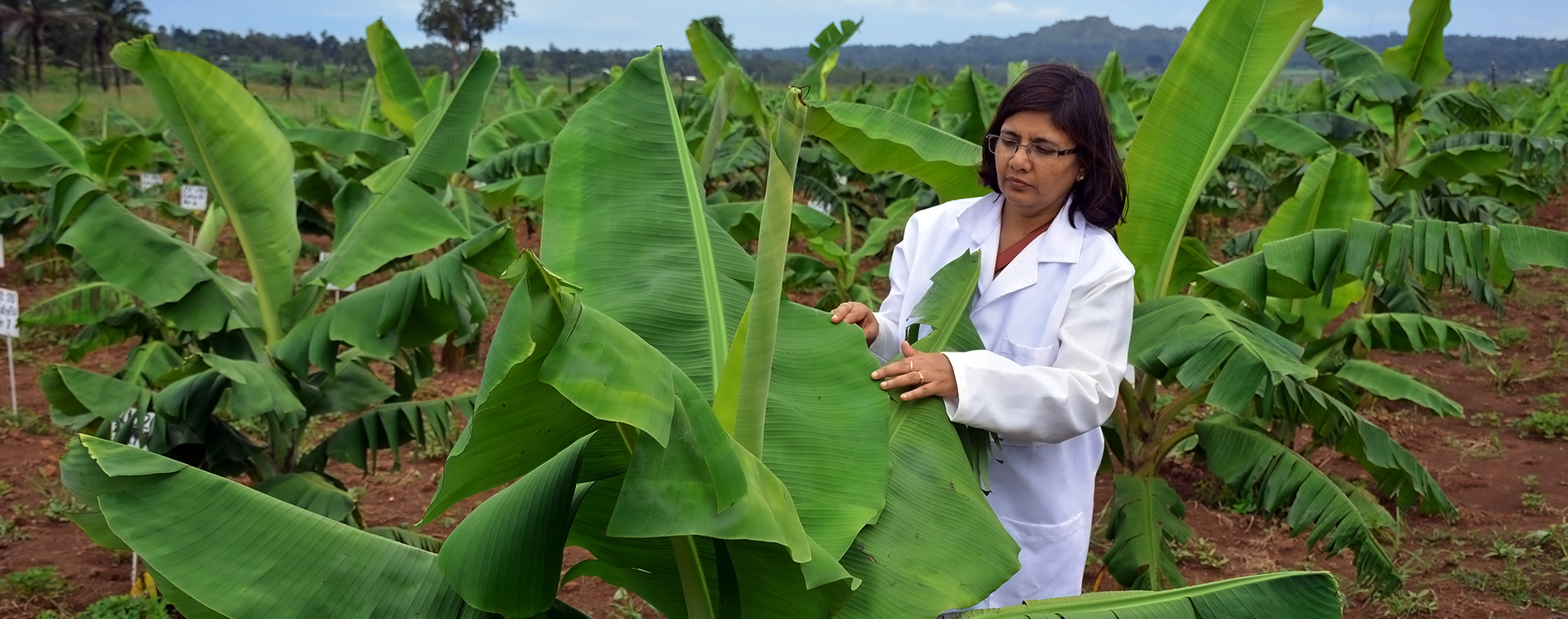
Dr Leena Tripathi on the banana field

In a video, Tripathi talks about the work she and her team are doing to improve disease resistance in crops, specifically banana.
“Using genome editing, we can silence the gene that causes susceptibility to streak virus in banana.” When the gene is silenced, it means the banana cannot contact the disease; this leads to better yields and improved farmer incomes.

However, Tripathi is not thinking about the farmer only, but the consumer as well. “Consumers should expect safe and tasty banana,” she says, adding, “With genome editing, we are not adding anything to the banana—just silencing the susceptibility gene.”

The researcher also calls upon regulators to facilitate the adoption of genome-edited crops in Africa by fostering a favorable policy environment—not one that stifles.

Tripathi is one of 36 internationally recruited women scientists working with IITA in various hubs across Africa. As an equal opportunity employer, IITA is proud to be associated with women scientists who work diligently to ensure Africa’s food security.

Genome editing: New breeding tool with potential to sustain agriculture in Africa

Climate change affects the environment extensively in socioeconomic and related sectors, including agriculture and food and nutritional security for the growing global population. To address this urgent need, Africa needs to adopt sustainable intensification of agriculture to close the yield gap in staple crops, where tools, including biotechnology and traditional approaches, are recommended for crop improvement.

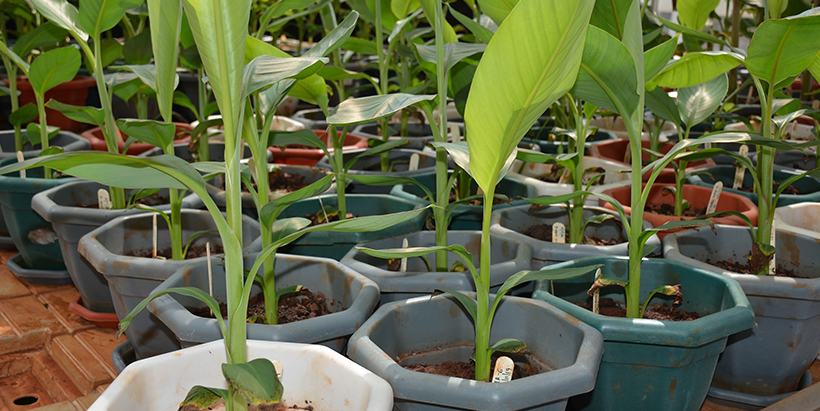
Gene edited banana in a greenhouse. Photo credit: Jaindra Tripathi/IITA

The recent study titled “Genome Editing for Sustainable Agriculture in Africa” published in the journal Frontiers in Genome Editing revealed the need and efficiency of exploring genome editing as an addition to conventional technologies for developing improved crop varieties.

The study noted that CRISPR-based genome editing has rapidly become the most prevalent genetic engineering approach for developing improved crop varieties because of its simplicity, efficiency, specificity, and ease of use. Genome editing technologies allow targeted manipulation of the plant genomes, accelerating breeding efforts to develop improved crop varieties. It can also reduce inputs such as fertilizers and pesticides, increase yields, improve nutrition, and develop climate-resilient crops.

The study, led by Leena Tripathi, Research Director at the IITA, with her team, Valentine Ntui, Easter Syombua, Samwel Muiruri, and Jaindra N. Tripathi, in collaboration with Kanwarpal Dhugga and Zhengyu Wen from the International Maize and Wheat Improvement Center (CIMMYT), Mexico and Steven Runo from the Kenyatta University, Kenya, explores the recent advances and progress in the CRISPR/Cas9-based genome editing efforts with major staple food crops grown in several countries in Africa.

The researchers in Africa use genome editing tools to improve African staple crops for biotic and abiotic stress resistance and improved nutritional quality. The crops under development include disease-resistant banana, maize resistant to lethal necrosis, and sorghum resistant to the parasitic plant Striga and enhanced quality for African farmers.

“The genome-editing tool is one of the powerful technologies available in the crop improvement toolbox, which can be used along with other tools for improving agriculture to feed the world’s rapidly growing population. It can develop improved crop varieties with no foreign gene integration like those created through conventional breeding,” explained Tripathi. She added that genome-edited products are not regulated as GMOs in several countries, including two countries in Africa: Kenya and Nigeria.

Tripathi also added that although many researchers are exploring the potential of genome editing in developing crop varieties for better and more sustainable African agriculture, there is a need for adequate funding and enabling policies to release genome editing products.

As the global landscape of regulatory developments for genome-edited crops is quickly changing, the future looks bright for African agriculture.  The continent is progressing in creating the enabling environment for commercializing genome-edited crop varieties by countries having clear genome-editing regulatory frameworks and biosafety guidelines.

Contributed by Gloriana Ndibalema

Training African scientists on CRISPR technology to adapt to climate change impacts in agriculture

To help reduce food insecurity and malnutrition aggravated by climate change, the International Institute of Tropical Agriculture (IITA) in partnership with the University of California, Davis (UC Davis), the Innovative Genomics Institute (IGI) at UC Berkeley, and other members of the African Orphan Crops Consortium (AOCC), officially launched the African Plant Breeding Academy (AfPBA) CRISPR Course on 23 January 2023, in Nairobi, Kenya, for technical
training in gene editing for crop improvement.

Read more