IITA joins Plant Breeding Innovation Management Program to advance responsible genome editing

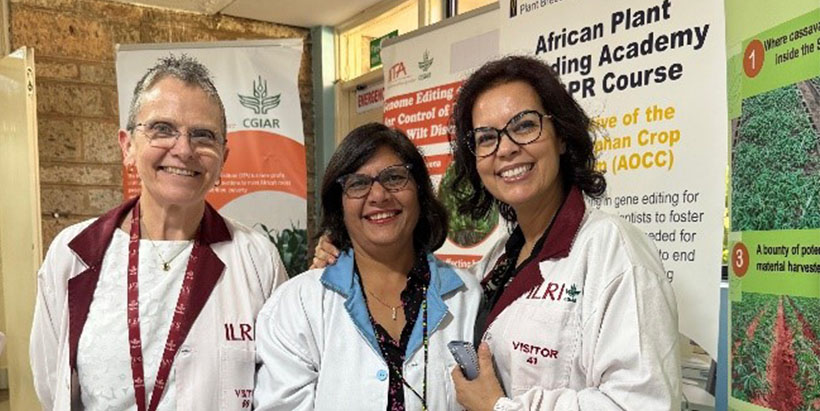
IITACGIAR has joined the Plant Breeding Innovation Management Program (PBIMP) under the Global Stewardship Group (GSG), reinforcing its commitment to responsible and ethical research in modern biotechnology, including Genome Editing. This strategic move marks another significant milestone in IITA’s continued leadership in agricultural innovation, particularly genome editing.

By joining the PBIMP, IITA aligns itself with an international community of research institutions and industry leaders implementing stewardship best practices in the use of genome editing technologies for crop improvement. The program promotes harmonized protocols, accountability frameworks, and capacity strengthening to ensure that research and development involving genome editing adheres 
Read more

IITA scientists achieve gene editing breakthrough for Banana Wilt Resistance

A landmark study published in Nature’s Communications Biology by IITA scientists showcases how CRISPR-based gene editing offers hope for East Africa’s banana farmers.

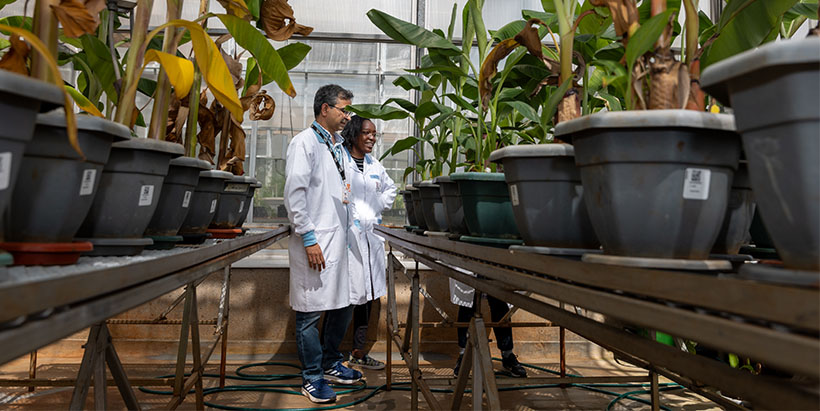
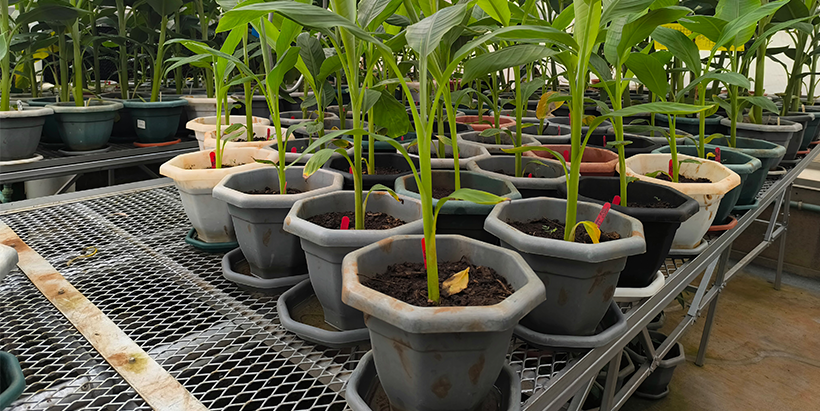
Scientists at IITA-CGIAR have made a major breakthrough in the fight against Banana Xanthomonas Wilt (BXW), a devastating bacterial disease threatening banana crops across East and Central Africa. The findings, recently published in Communications Biology, the prestigious journal from the Nature portfolio, demonstrates how gene editing can be used to develop disease-resistant banana varieties.

Read more

Belgian high-level delegation explores IITA research platforms in Kenya

A high-level Belgian delegation, led by CGIAR Executive Managing Director (EMD) Dr Ismahane Elouafi, visited IITA’s Hub in Nairobi recently, offering a front-row seat to the institute’s research and innovations. The visit showcased IITA’s work in agricultural research, from biotechnology to soil health and youth engagement in agriculture.

On the first day, the delegation received by the Eastern Africa Hub Director, Dr Leena Tripathi toured IITA’s gene editing platform at the ILRI Campus.

Read more

Unlocking the future of crop improvement: IITA champions genome editing for African agriculture

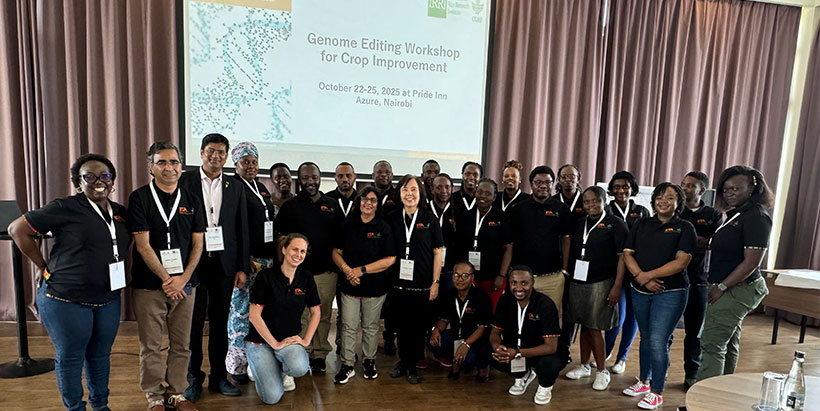
In transforming African agriculture, the International Institute of Tropical Agriculture (IITA) is tapping into cutting-edge genome editing tools to fast-track crop improvement. With technologies like CRISPR at its core, IITA is pioneering a new era in plant breeding—where precision, speed, and innovation are driving the development of resilient, high-yielding crops tailored for the continent’s toughest challenges.

For decades, conventional breeding has served as the backbone of crop improvement. By crossing parent plants with desirable traits, breeders have been able to gradually improve yields, enhance disease resistance, and adapt crops to local conditions. However, this process can be time-consuming, unpredictable, and limited particularly for clonally propagated crops. It is often inadequate when addressing complex traits like drought tolerance or resistance to evolving pathogens. For tropical crops like banana, yam, and cassava—staples for millions across Africa—the challenges are even more pronounced due to limited genetic diversity and complex inheritance patterns.

Read more

IITA and partners launch AfPBA CRISPR Class III Training to empower Africa’s Crop Improvement Scientists

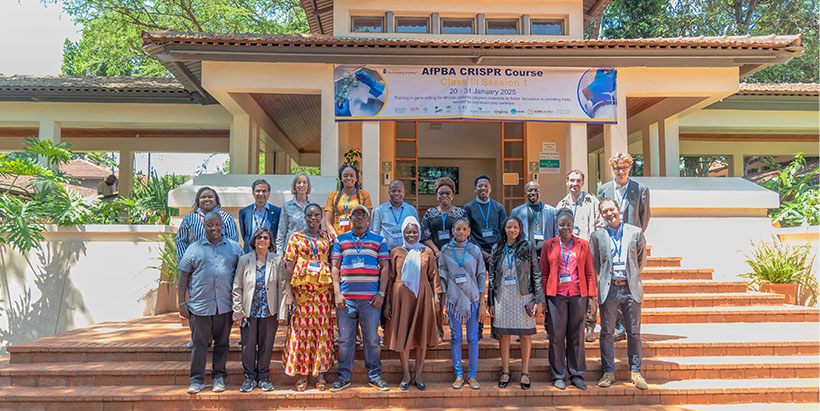
IITACGIAR, a member of the African Orphan Crops Consortium (AOCC) in partnership with the University of California, Davis (UC Davis) and the Innovative Genomics Institute (IGI) at UC Berkeley, has officially launched the third cohort of its renowned African Plant Breeding Academy (AfPBA) CRISPR training program in Nairobi, Kenya. The program equips African molecular scientists with cutting-edge knowledge, skills, and tools to revolutionize agriculture across the continent.

The AfPBA CRISPR Class III, commencing on 20 January 2025, will provide 11 selected scientists from five African countries with advanced training in the know-how of genome editing using CRISPR-Cas technology. The initiative is designed to empower participants to develop more resilient crops to climate change, pests, and diseases—critical for addressing Africa’s food and nutritional security challenges.

Read more

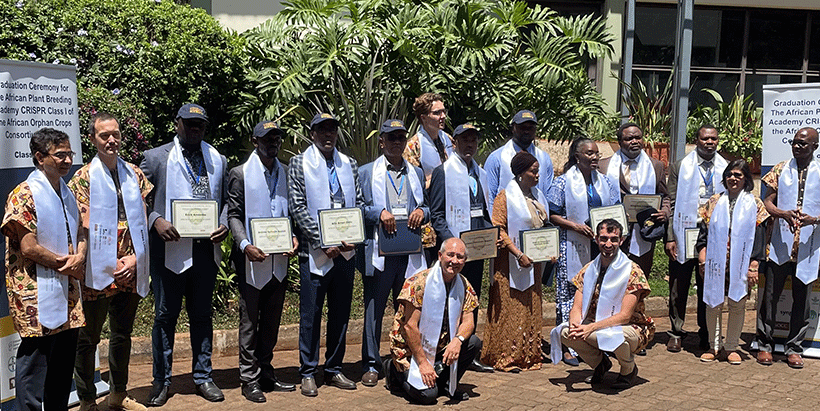
Inaugural class of CRISPR technology graduates poised to shape the future of agriculture

As the world’s foremost experts unite in their efforts to combat food insecurity and malnutrition, both exacerbated by climate change and responsible for stunting over 30% of children under the age of five, a group of new scientists emerged in October, equipped to enhance crop production through the art of gene editing.

The ten doctoral-level scientists from six different African nations, including Ethiopia, Ghana, Kenya, Malawi, Morocco, and Nigeria, have undergone an intensive six-week training program hosted by the African Plant Breeding Academy (APBA) to refine their skills in advanced crop breeding. The training focused on Clustered Regularly Interspaced Short Palindromic Repeats (CRISPR), which enables precise, targeted alterations to DNA sequences in living organisms, particularly crops.

Read more

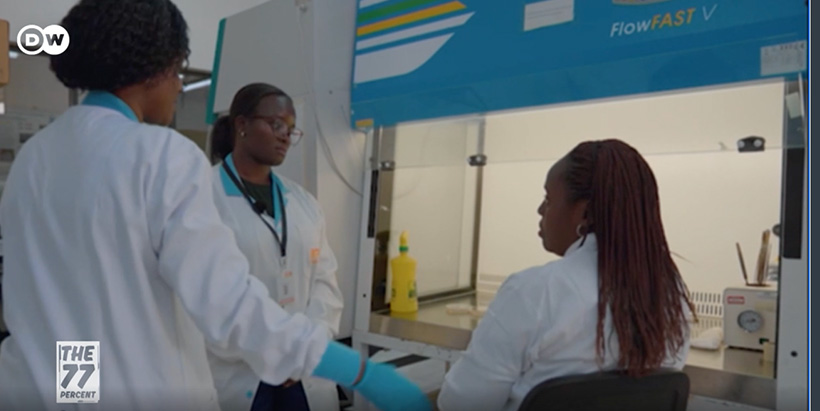
Young STEM scientists from IITA featured in the DW News documentary

DW News program, “The 77 Percent,” recently featured young scientists from the IITACGIAR Kenya in a video aired on 12 September 2023 on the DW News website.

“The 77 Percent” is dubbed The Magazine for African Youth, amplifying the voices of young people under 35 by featuring hard-hitting reports, personal stories, and lively debates direct from the continent. The stories covered circumvent the big issues that matter most to the African youth.

Read more

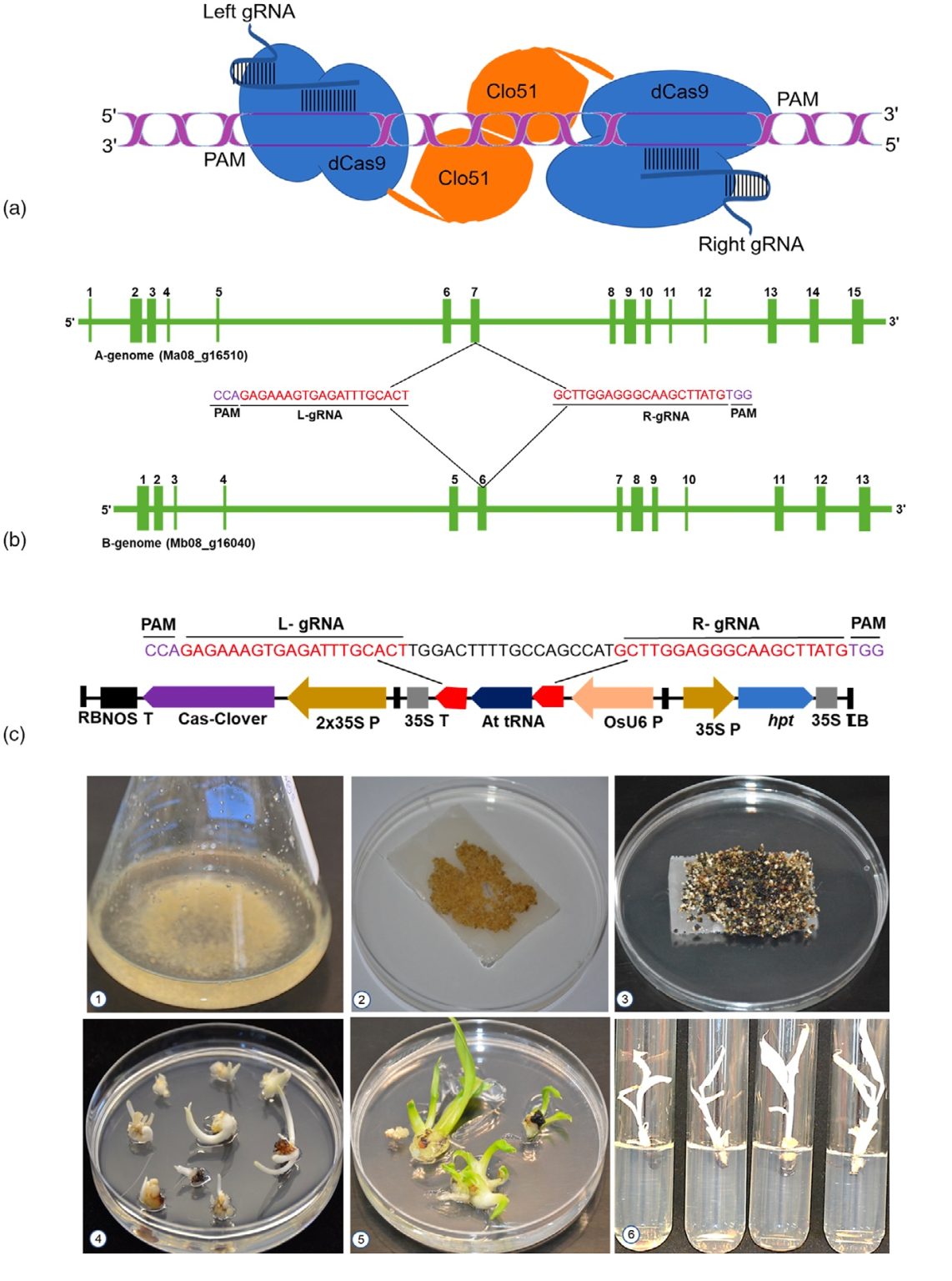
Study unveils Cas-CLOVER as a highly efficient genome editing technology in banana

In a landmark development for agricultural biotechnology, a pioneering study conducted by the Biotechnology team at IITACGIAR, in collaboration with Demeetra AgBio Inc., has unveiled Cas-CLOVER as a novel, precise and highly efficient genome editing tool for banana. The findings of this study promise to revolutionize banana cultivation by addressing critical challenges faced in traditional breeding.

Despite being a staple in the diets of millions worldwide, banana has long been plagued by various hurdles in their genetic improvement. These include issues like low genetic variability in germplasm, polyploidy, protracted production cycles, and the sterility of many cultivars. Genome editing has emerged as a transformative technique to combat these obstacles and develop improved banana varieties with enhanced disease resistance and increased yield potential.

Read more

Do not regulate genome-edited crops – IITA woman scientist

11 February was the International Day for Women and Girls in Science. IITA joined the rest of the world to celebrate the contribution of our women scientists in ensuring a food and nutrition-secure world. Women account for half of the world’s population and we cannot make representative and long-lasting changes in agriculture without them.

As United Nations Secretary-General, António Guterres explains, “To rise to the challenges of the 21st century, we need to harness our full potential. That requires dismantling gender stereotypes. On this International Day of Women and Girls in Science, let’s pledge to end the gender imbalance in science.”

IITA recognizes the importance of both science and gender equality and makes a particular effort to empower female scientists to participate in the achievement of internationally agreed development goals. Leena Tripathi is one such woman scientist. As a principal scientist and leader of IITA’s transgenic and genome editing research, based in Nairobi, Kenya, Tripathi has proved that women can provide leadership in the use of cutting-edge research tools.

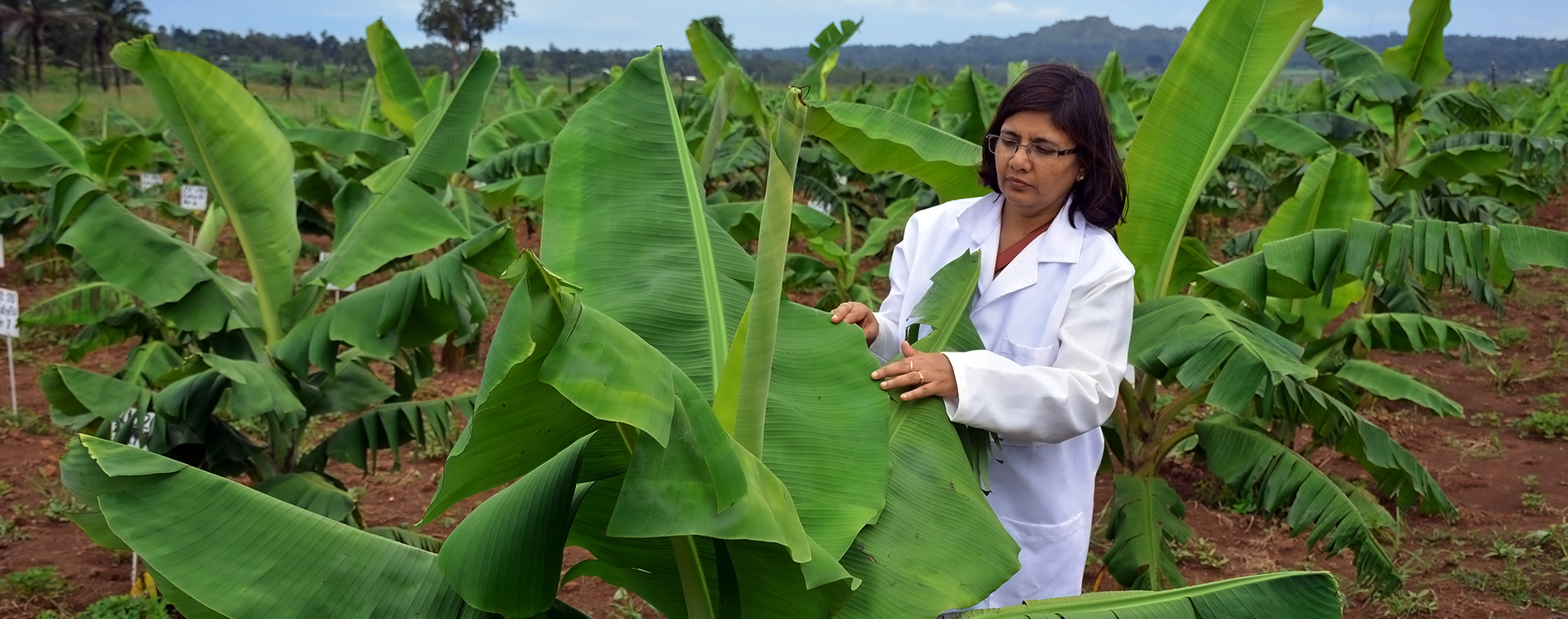
Dr Leena Tripathi on the banana field

In a video, Tripathi talks about the work she and her team are doing to improve disease resistance in crops, specifically banana.
“Using genome editing, we can silence the gene that causes susceptibility to streak virus in banana.” When the gene is silenced, it means the banana cannot contact the disease; this leads to better yields and improved farmer incomes.

However, Tripathi is not thinking about the farmer only, but the consumer as well. “Consumers should expect safe and tasty banana,” she says, adding, “With genome editing, we are not adding anything to the banana—just silencing the susceptibility gene.”

The researcher also calls upon regulators to facilitate the adoption of genome-edited crops in Africa by fostering a favorable policy environment—not one that stifles.

Tripathi is one of 36 internationally recruited women scientists working with IITA in various hubs across Africa. As an equal opportunity employer, IITA is proud to be associated with women scientists who work diligently to ensure Africa’s food security.