Madagascar delegation visits IITA-Kenya to strengthen collaboration

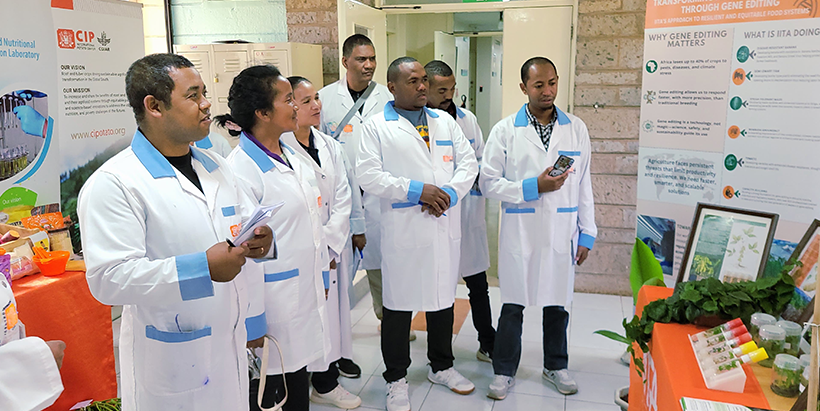
IITACGIAR in Kenya recently hosted a delegation from Madagascar for a learning visit aimed at deepening collaboration and sharing practical experiences across key areas of crop improvement. The visit brought together partners across the agricultural research ecosystem, with stops at IITA-supported facilities and collaborating institutions.

The delegation began their tour at the KALRO–Njoro Cassava Semi-Autotrophic Hydroponics (SAH) Facility, where IITA provided the training, technical support, and backstopping that enabled the successful establishment of the SAH system. The team observed firsthand how SAH is accelerating the production of clean cassava planting materials, improving efficiency, and supporting the strengthening of Kenya’s seed system.
Read more

YOAGE project team holds annual review meeting in Nairobi

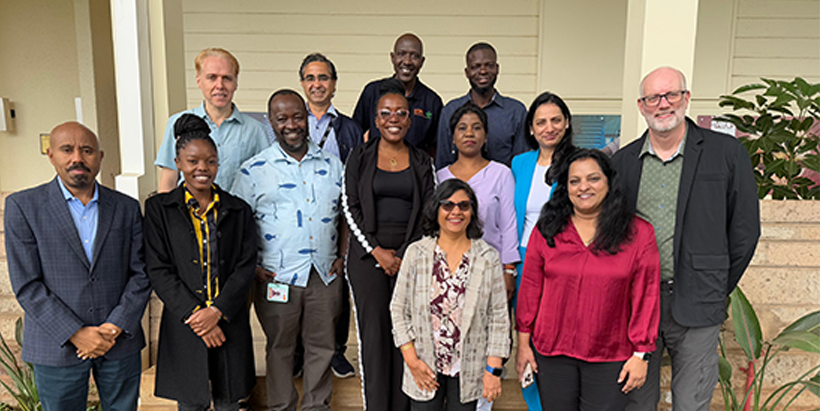
With one successful year down, the Yam Optimized Architecture through Gene Editing (YOAGE) project team convened in Nairobi for its annual review meeting. The gathering brought together colleagues from IITACGIAR and project partners from Pairwise, USA, to assess the progress made and chart the path forward. Dr Nic Bate, Senior Program Officer from the Gates Foundation, also joined in to listen to the milestones achieved so far and advise on future planning, aligning with the foundation’s strategy.

The meeting provided an opportunity for the team to present updates on ongoing work, exchange insights on technical progress, and strengthen collaborative efforts between the teams. It also featured a visit to IITA’s biotechnology facilities in Nairobi, where participants viewed ongoing gene editing research and interacted with the scientists behind the work.

Read more

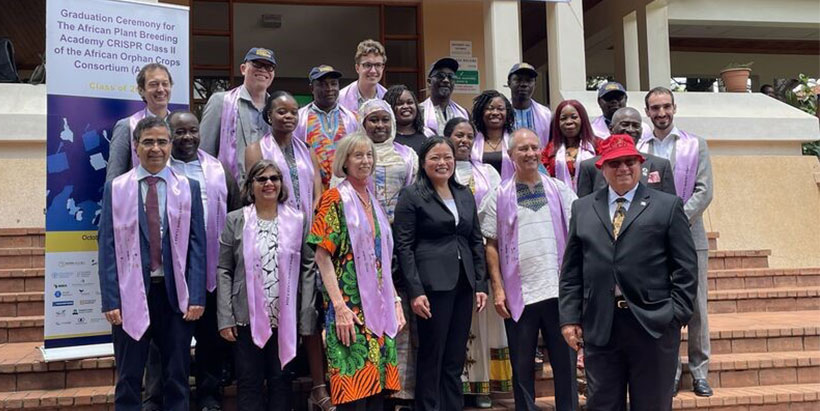
Celebrating the third cohort of the CRISPR Course for the next generation of African genome editors

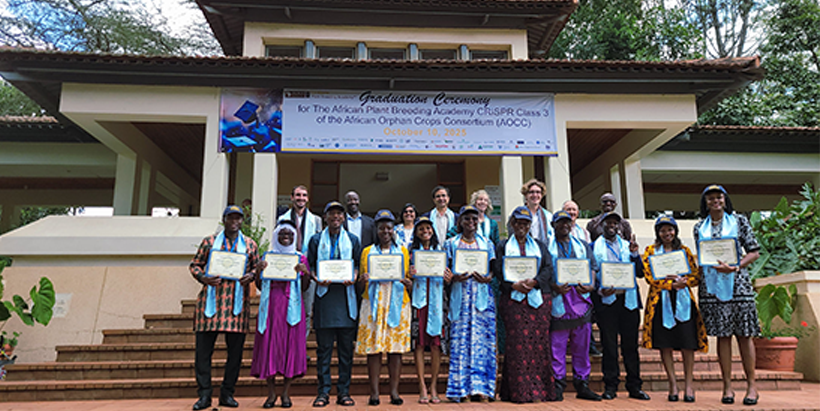
The third cohort of the Africa Plant Breeding Academy (AfPBA) CRISPR Course has officially graduated, marking another milestone in strengthening Africa’s capacity for advanced crop improvement technologies. This cohort hosted eleven scientists from five African countries, including Benin, Burkina Faso, Ghana, Kenya, and Nigeria.

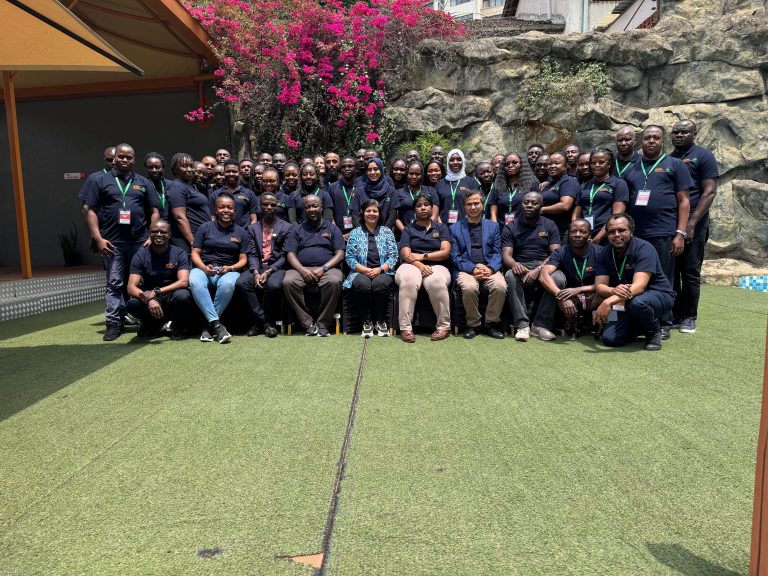
CRISPR Course fellows and facilitators during the graduation ceremony

The training, hosted at the IITACGIAR Biotechnology Platform in Nairobi, on the ILRI campus and at CIFOR-ICRAF, is part of a multi-partner initiative of the African Orphan Crops Consortium (AOCC), in collaboration with IITA, the University of California, Davis, and the Innovative Genomics Institute at UC Berkeley. The course provides African researchers with both theoretical and practical knowledge in the use of CRISPR-Cas systems for precise and efficient genome editing in plants.

Read more

IITA biotech program goes digital, launches genome engineering website

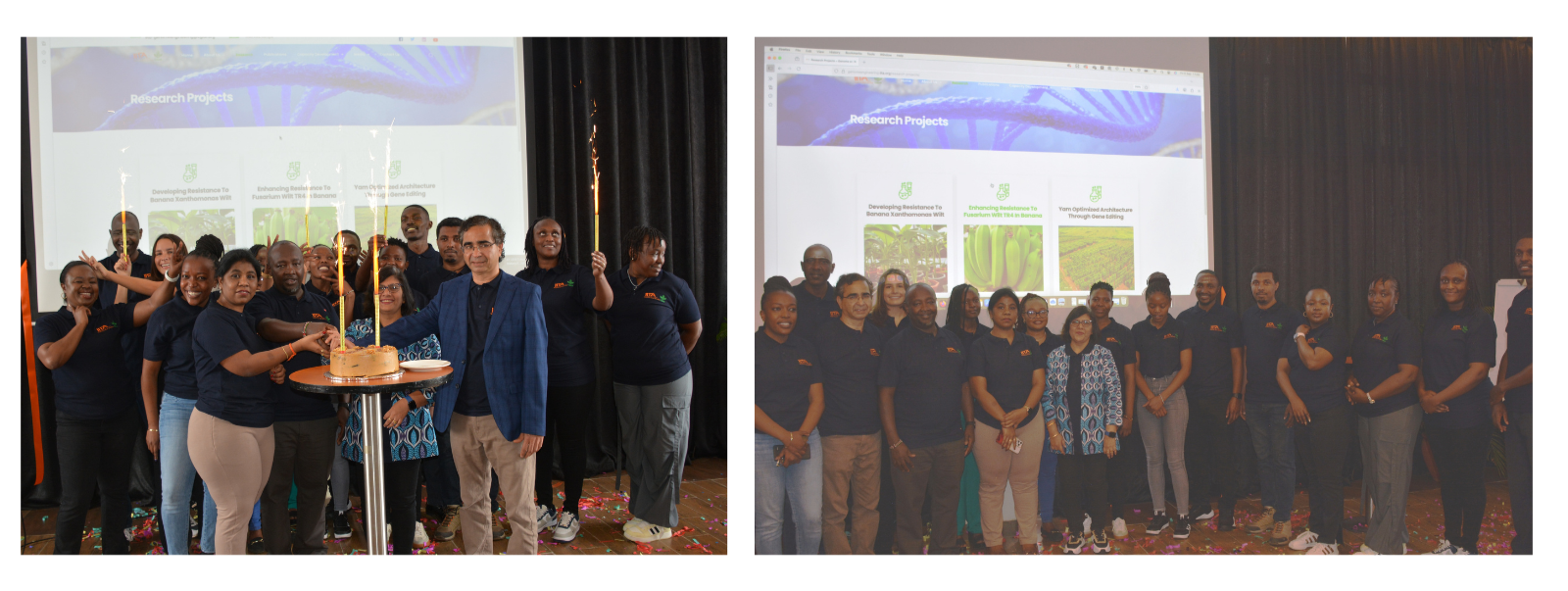
The IITACGIAR biotechnology program has officially launched a new Genome Engineering website. A dynamic digital platform showcasing cutting-edge science that is shaping the future of crops in Africa.

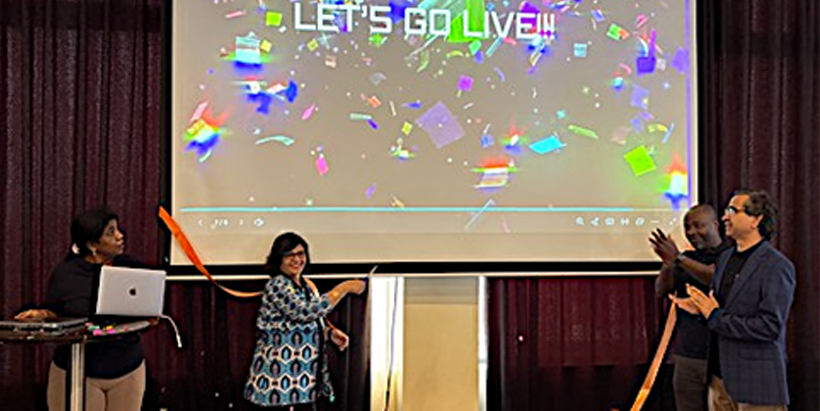
Cake-cutting moment to mark the genome editing website going live.

The website serves as a hub for knowledge, bringing together information on IITA’s pioneering work in genome engineering and precision breeding in bananas, yams, legumes, and other staple crops. It highlights how researchers are rewriting the DNA code to tackle persistent challenges such as pests, diseases, drought, and low yields to ensure food security and improve livelihoods for millions of smallholder farmers.

Beyond showcasing research, the platform also serves as a learning and capacity-building hub for students, researchers, and partners eager to understand genome editing better. Visitors can explore detailed case studies, videos, learn about the science behind the technology, and follow IITA’s ongoing training initiatives, including specialized courses designed to empower the next generation of African genome engineers.

Read more

Building skills in genome editing for African agriculture

From 2 to 5 September 2025, the IITACGIAR Biotechnology program hosted a four-day training workshop on Genome Editing in Nairobi, Kenya. The workshop brought together young African scientists from Burundi, Ethiopia, Kenya, Nigeria, Tanzania, Uganda, and Zimbabwe, eager to deepen their knowledge and practical skills in this technology.

The workshop blended theory with practice. Participants explored the foundations of CRISPR/Cas systems. They then moved into hands-on sessions covering gRNA design, genome browsing, BLAST searches, CRISPR reagent delivery systems, plant transformation, genotyping, and phenotyping. Case studies on genome editing for crop improvement were also shared, focusing on banana and cereal crops, giving participants a clear view of how these technologies are already being applied to address agricultural challenges.

Read more

IITA scientist highlights advances in genome engineering to tackle food insecurity in Africa

IITACGIAR organized a scientific seminar on 27 August, themed “Genome engineering of African staple food crops.” The event, anchored by IITA Director of the West Africa Hub, Michael Abberton, showcased the pioneering research work of IITA Plant Transformation Specialist, Jaindra Tripathi.

In his presentation, Tripathi highlighted the urgency of addressing global hunger and food insecurity, particularly in Africa, where the situation is increasingly critical. He noted that hunger on the continent has been rising since 2010, with approximately 61% of Africans currently food insecure. He added that 38% of the world’s hungry people live in Africa, and 20% of the continent’s population is undernourished. Compounding the problem, the cost of a healthy diet in Africa increased by 53% between 2020 and 2021.

Read more

IITA joins ICARDA-led global consortium to spearhead biotechnological innovations in the battle against the red palm weevil

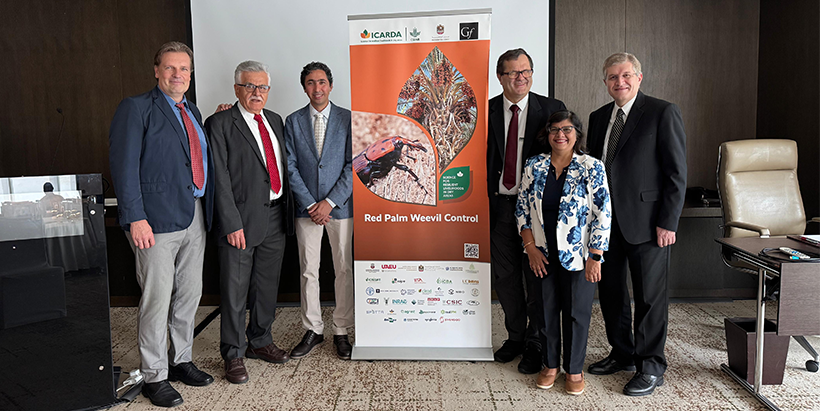
At the 17th Khalifa International Award for Date Palm and Agricultural Innovation, the United Arab Emirates (UAE), Gates Foundation, and the International Center for Agricultural Research in the Dry Areas (ICARDA) launched the International Consortium for Red Palm Weevil Control (C4RPWC).

IITA will lead a critical workstream under the bold, new global initiative to combat the devastating Red Palm Weevil (RPW). This invasive pest, RPW, threatens date palms and livelihoods across the Middle East, North Africa, and beyond.

Read more

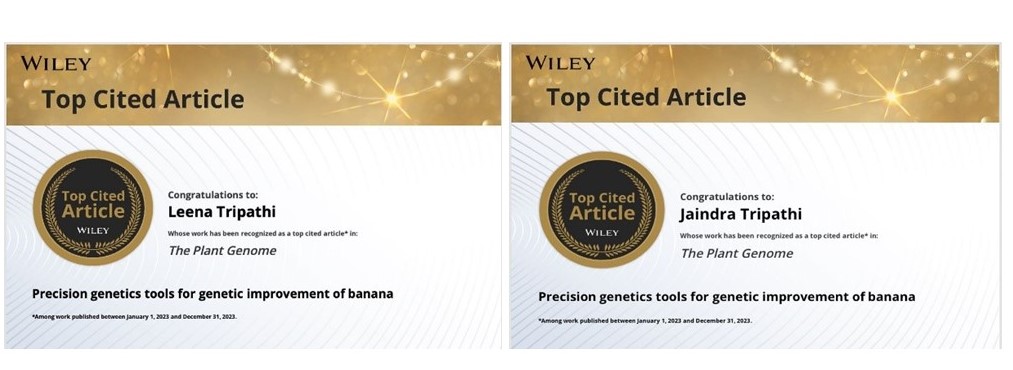
Wiley recognizes IITA’s reviewed article on banana improvement as a top-cited study

A review paper on the genetic improvement of bananas has been selected as one of Wiley’s most cited papers, highlighting its critical role in improving one of the world’s most important staple crops.

Published in The Plant Genome, the research probes into CRISPR/Cas genome editing techniques that could impact banana breeding, making the crop more resilient to devastating diseases. Led by a team of scientists from the International Institute of Tropical Agriculture (IITA), the widely referenced paper “Precision Genetics Tools for Genetic Improvement of Banana” addresses long-standing challenges in banana production and offers a precise, efficient, and sustainable solution for farmers worldwide.

Read more

African Plant Breeding Academy celebrates graduation of CRISPR course second cohort

IITACGIAR, in partnership with the University of California, Davis (UC Davis), the Innovative Genomics Institute (IGI) at UC Berkeley, and the African Orphan Crops Consortium (AOCC), celebrated a milestone on 11 October as the participants of cohort II graduated from the African Plant Breeding Academy (AfPBA) CRISPR course. The training is a part of IITA’s broader efforts to equip African scientists with cutting-edge skills in agricultural biotechnology, particularly applying CRISPR-based genome editing to improve crop resilience and productivity.

The graduating class included 11 scientists from 8 African countries: Burkina Faso, Ethiopia, Ghana, Kenya, Malawi, Mozambique, Nigeria, and South Africa. These researchers underwent an intensive program covering both theoretical and practical aspects of genome editing with three two-week sessions at IITA-Nairobi, hosted by  ILRI and World Agroforestry in Nairobi, Kenya. The course was designed to address the growing demand for expertise in CRISPR technology to address key agricultural challenges such as disease resistance, drought tolerance, nutrition enhancement, and crop yield improvement.

Read more…

Gene-Edited Superfoods: Addressing Global Nutrition

Farmers, scientists, and consumers advocate for gene-edited crops as a solution to global challenges, emphasizing the need for informed public dialogue and regulatory reform.

On May 13, 2024, the University of Milan announced a breakthrough in gene editing. The first-ever field trial for a gene-edited crop in Italy—risotto rice tweaked to resist the destructive rice blast fungus.

Today is a revolutionary day for biotechnologists,” said lead researcher Vittoria Brambilla at the time.

A month later, however, the crop was destroyed in a single night. Not by fungus, but by unknown vandals.

Read more