Mozambique gearing up for Genome Editing Research

Mozambique is on the verge of initiating significant research in crop and animal using genome editing, as the country’s biosafety authority plans to develop a framework that will guide such research activities. This was highlighted during a biotechnology workshop held from June 5-7, 2024, in Maputo, organized by the International Institute of Tropical Agriculture (IITA) in collaboration with the University of California-Davis and AUDA-NEPAD. The event brought together scientists, farmer representatives, biosafety regulators, and policymakers to discuss the prospects of genome editing in Africa.

The Mozambique workshop was the third in a series of biotechnology workshops aimed at fostering dialogue and facilitate discussions on the prospects of genome editing in Africa. Speaking during the biotechnology stakeholder workshop held in Maputo, Director and Coordinator of the Inter-Institutional Biosafety Working Group (GIIBS) Dr. Roda Nuvunga revealed the nation’s commitment to develop genome editing guidelines as complementary biosafety legislation.

“Currently, eight biosafety legislative documents are awaiting approval and genome editing guidelines will be the ninth document. This forms part of our efforts to strengthen our biosafety legislation,” she said. Dr. Nuvunga further emphasized the importance of these training initiatives, noting that the workshop provided an essential platform for knowledge sharing and capacity building, crucial for the development of these guidelines.

Dr. Leena Tripathi, Director for the Eastern Africa Hub at IITA and  Biotechnology Program Leader, highlighting the critical need for robust regulatory frameworks to support biotechnology advancements in Africa. Her insights into the potential of genome editing to enhance food security and agricultural sustainability were key components of the workshop.

Dr. Allen van Deynze, Director at the Seed Biotechnology Center and Scientific Director at the African Orphan Crops Consortium in the University of California-Davis also emphasised the importance of developing resilient crop varieties through genome editing, providing participants with a clear understanding of the scientific and practical applications of this technology.

In addition to technical presentations, the workshop also focused on strategic communication and advocacy. GIIBS is currently drafting a Communication and Advocacy Strategy in its bid to raise knowledge and awareness about biosafety. ISAAA AfriCenter’s Walter Langat applauded the Biosafety Working Group for its efforts to develop a biosafety communication strategy. He called for collaborative approaches in addressing biosafety concerns and stemming out the burden of misinformation about modern biotechnology.

Mozambique ratified the Cartagena Protocol on Biosafety in 2001 (Resolution no. 11/2001) and created GIIBS whose mandate is to co-ordinate biosafety activities in the country. Unlike the situation in Kenya and Zambia, the Ministry of Science and Technology serves as the National Biosafety Authority. Refreshingly, Mozambique is very receptive to genome editing technology and the feedback from most participants was on the desire to have the government invest more in research. The country is currently conducting multi-locational trials for drought tolerant and insect-resistant maize under the Water Efficient Maize for Africa (WEMA) program.

As Mozambique gears up for genome editing research, the extensive training initiatives and capacity-building efforts underscore the country’s potential to become a leading player in the field. By leveraging modern biotechnology, Mozambique is well-positioned to address agricultural challenges and improve livelihoods, setting a precedent for other nations in the region.

Contributed by Walter Langat & Rose Harriet Okech
Advancing biotechnology in Africa: Reflections from Kenya and Zambia

In a concerted effort to advance agricultural biotechnology in Africa, IITA, the University of California-Davis, and the African Union Development Agency-NEPAD (AUDA-NEPAD) recently organized two pivotal workshops on biotechnology in Kenya from 8 to 10 May and Zambia from 13 to 15 May.

IITA Director for Eastern Africa Hub and Biotechnology Leader Leena Tripathi stated, “Biotechnology holds the key to sustainable agriculture in Africa, offering innovative solutions to enhance crop yields, improve resilience to climate change, and reduce the environmental impact of farming practices.”

Workshop participants in Nairobi, Kenya.

In his remarks, the Director of the Seed Biotechnology Center and Scientific Director at the African Orphan Crops Consortium at the University of California-Davis, Dr Allen Van Deynze, explained: “These workshops were designed to equip key stakeholders, including officials from national biosafety authorities, agricultural researchers, and university academics, with the latest knowledge and advancements in agricultural biotechnology, particularly genome editing.”

The workshop in Kenya, hosted at the International Livestock Research Institute (ILRI) in Nairobi, brought together a diverse group of participants to explore global trends and developments in agribiotech. Key sessions focused on imparting insights into how genome editing technologies can enhance crop resilience, nutritional value, and environmental sustainability. The discussions also navigated the complex regulatory frameworks that govern biotechnological innovations, highlighting the economic and social implications of biotechnological advancements and strategies for promoting sustainable agriculture and food security.

Participants of the workshop in Lusaka, Zambia.

Tripathi highlighted the dependency of African institutions on external funding and the insufficient investment in research and development by African governments as bottlenecks to genome editing’s success. She reiterated the need for these governments to keep their commitment to allocating at least 1% of their GDP to research efforts to make genome editing a success.

Building on the momentum from Kenya, the Zambia workshop convened officials from the National Biosafety Authority, Zambia Agriculture Research Institute (ZARI), and Zambian universities. This sequel workshop aligned technical expertise and regulatory requirements with Zambia’s national agricultural priorities. Discussions were centered on developing robust regulations that support innovation while ensuring safety and environmental protection and investing in education and training programs to equip stakeholders with the necessary skills and knowledge. A legume breeder and senior lecturer at the University of Zambia, Dr Kelvin Kamfwa, highlighted the importance of targeted post-graduate training courses for scientists and technicians in genome editing as an essential priority for building a robust genome editing research system in Zambia.

A significant theme that emerged during the Zambian workshop was the detrimental effect of misinformation and negative public perceptions on the adoption of modern biotechnology. Despite the clear benefits of genome editing for increasing agricultural productivity and resilience to climate change, misinformation continues to create public resistance and regulatory hesitance. Consequently, there is a pressing need for transparent communication and education initiatives that demystify biotechnology and highlight its potential to address food security challenges.

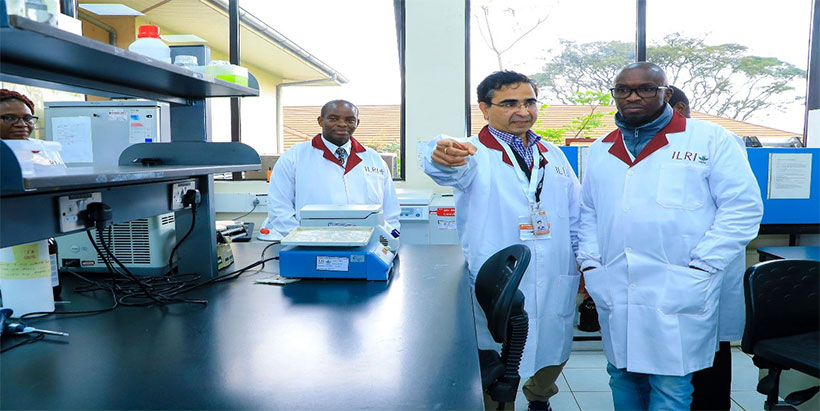
Workshop delegates during the laboratory facility tour at the BecA-ILRI hub in Nairobi.

A crucial aspect of these workshops was exposing participants to the necessary infrastructure for biotechnology through laboratory facility tours—conducted physically in Kenya and virtually in Zambia— and discussions on capacity mobilization. These tours provided an in-depth look at the state-of-the-art equipment and facilities required for advanced biotechnological research, while the discussions focused on strategies for building and maintaining this infrastructure across African institutions.

Reflecting on the insights gained from the workshops in Kenya and Zambia, it is clear that the journey toward widespread adoption of modern biotechnology is complex but essential. As climate change continues to challenge agricultural productivity across Africa, the potential of modern biotechnology to transform our agricultural landscape has never been more critical. By fostering collaboration, enhancing regulatory frameworks, and investing in education, Africa can harness the power of biotechnology to build a sustainable and food-secure future.

Contributed by Rose-Harriet Okech